A premium hat is not simply manufactured. It is shaped, refined, finished, and brought to life through a combination of skilled craftsmanship, quality materials, and attention to detail.
At JJ Hat Center, we have been helping customers find exceptional hats since 1911. Over more than a century, we have seen trends come and go, but one thing has never changed: a well-made hat has character. It fits better, lasts longer, and feels different from the moment you put it on.
So, how is a premium hat made? The answer begins long before the hat reaches the shelf.
It Starts With the Right Material
Every great hat begins with the material. The choice of material affects the look, feel, durability, breathability, and overall performance of the hat.
Premium hats are commonly made from materials such as:
-
Fur felt
-
Wool felt
-
Panama straw
-
Raffia
-
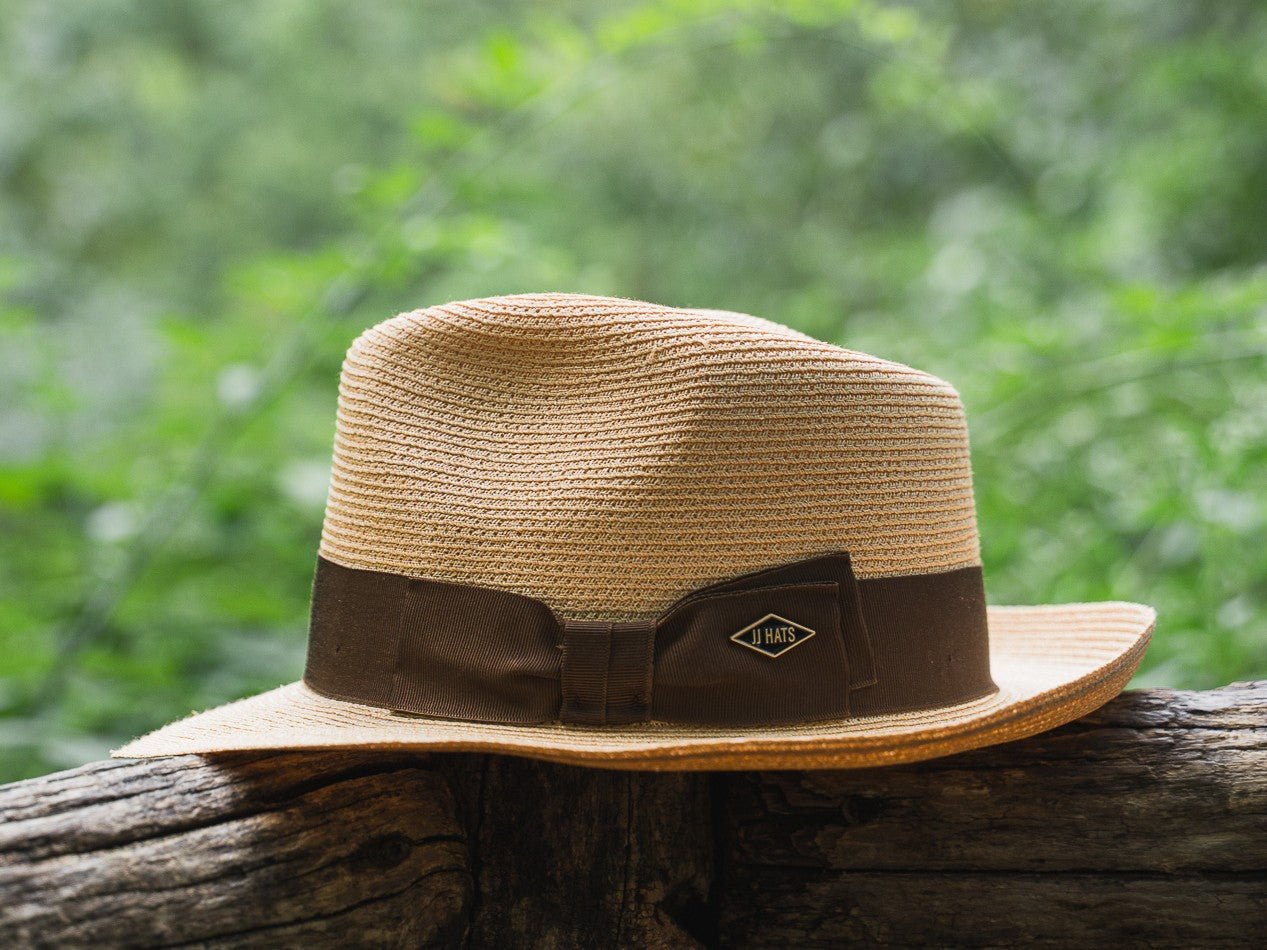
Fine woven straw
-
Cotton
-
Linen
-
Leather
-
High-quality fabric blends
For felt hats, fur felt is often considered more refined than standard wool felt because it can be lighter, smoother, more durable, and more resistant to moisture. Wool felt can also make an excellent hat, especially when properly finished and shaped.
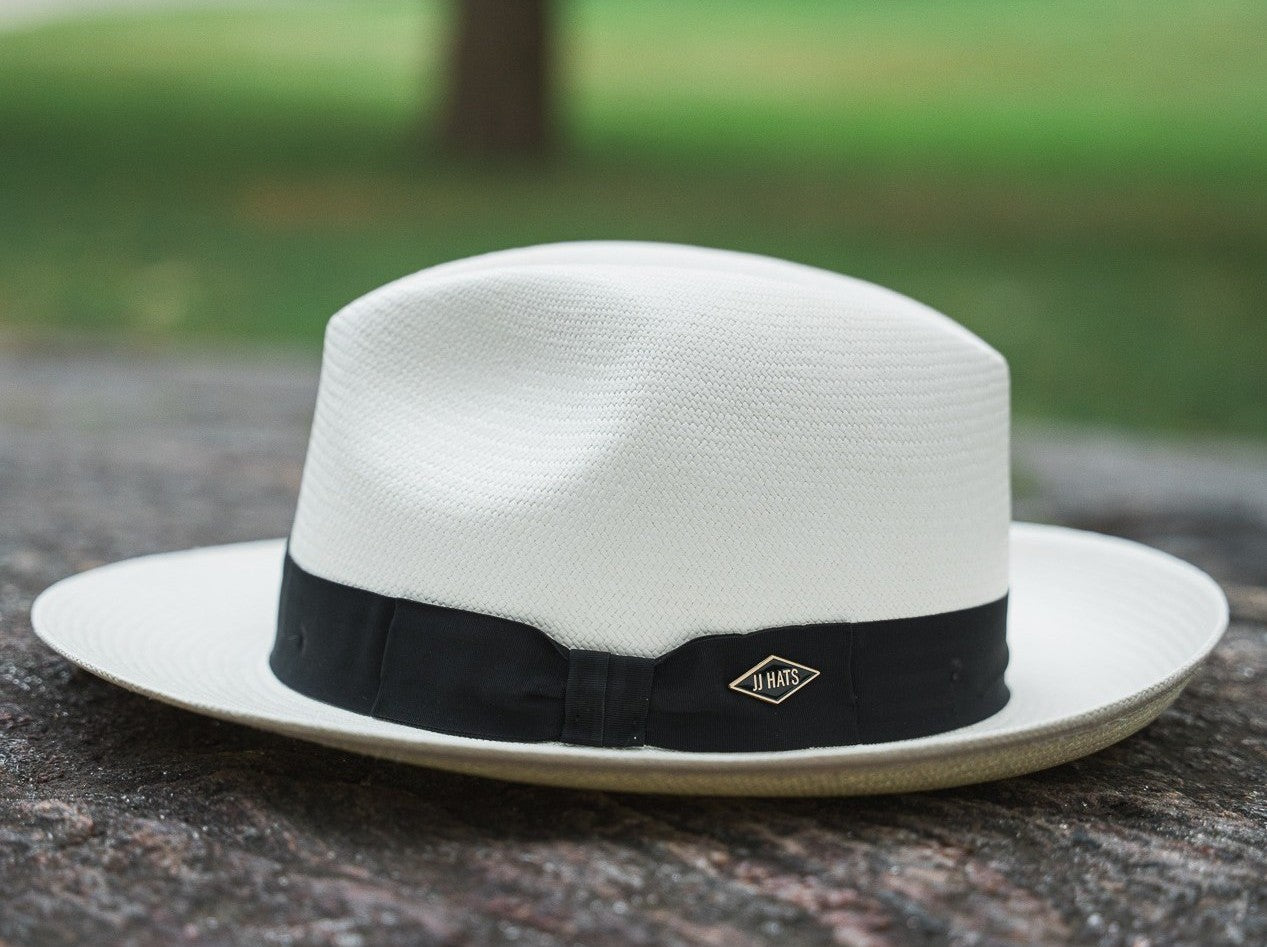
For straw hats, the quality depends heavily on the fiber, the tightness of the weave, and the consistency of the work. A true Panama hat, for example, is woven from toquilla straw and valued for its lightness, flexibility, and craftsmanship.
Step 1: Preparing the Hat Body
Before a hat receives its final shape, it begins as a hat body. For felt hats, fibers are processed, formed, pressed, and worked into a cone or capeline. This unfinished form contains the material that will become the crown and brim.
For straw hats, the body may be handwoven or machine-finished depending on the type and quality level. The better the body, the better the foundation for the finished hat.
At this stage, the material is inspected for texture, density, consistency, and flaws. A premium hat requires a premium foundation.
Step 2: Blocking the Hat
Blocking is one of the most important steps in hat making. This is where the hat begins to take its recognizable shape.
The hat body is softened with controlled moisture and heat, then stretched over a wooden or metal block. The block determines the shape of the crown. Different blocks create different silhouettes, such as fedora, homburg, western, pork pie, trilby, or open crown shapes.
The brim is then shaped and flattened or curved using specialized tools and pressure. This process requires precision. A small change in crown height, brim width, or angle can completely change the personality of the hat.
Blocking is where craftsmanship becomes visible.
Step 3: Shaping the Crown and Brim
After blocking, the hat is shaped into its final style. A fedora may receive its center crease and side dents. A western hat may be shaped with a taller crown and broader brim. A pork pie may receive its signature flat crown and narrow crease.
This stage is both technical and artistic. The maker must understand proportion, balance, and wearability. A premium hat should look elegant from every angle and feel natural on the head.
The brim may be snapped, curled, bound, left raw, or shaped by hand depending on the design. These details influence both style and function.
Step 4: Pouncing and Finishing the Felt
For felt hats, the surface is carefully refined through a process often called pouncing. This involves sanding or smoothing the felt to create an even, clean finish.
A fine felt hat should feel smooth, consistent, and refined. Depending on the desired look, the finish may be sleek, brushed, velvety, or slightly textured.
This step is one of the reasons premium felt hats have such a distinctive feel. The surface is not rough or unfinished. It is carefully worked until it reaches the right appearance and hand feel.
Step 5: Trimming the Hat
Once the shape is complete, the hat receives its trimmings. These details give the hat its final personality.
Common hat trimmings include:
-
Ribbon bands
-
Bow details
-
Edge binding
-
Sweatbands
-
Linings
-
Feathers
-
Pins or subtle brand marks
A leather sweatband, for example, can add comfort, structure, and durability. A quality lining can give the inside of the hat a refined finish. A well-proportioned ribbon can transform the entire appearance of the hat.
Premium trimming is about restraint and balance. The details should enhance the hat, not overpower it.
Step 6: Sewing and Hand-Finishing
Many premium hats include details that are sewn, attached, or adjusted by hand. This may include the sweatband, the ribbon, the bow, the brim binding, or decorative elements.
Hand-finishing allows for greater precision and a more refined final product. It also allows the maker to correct small imperfections and ensure that the hat looks clean, balanced, and ready to wear.
This is where experience matters. A skilled hatter knows when a brim needs a slight adjustment, when a ribbon sits just right, and when a crown shape feels complete.
Step 7: Quality Control
Before a premium hat is ready for a customer, it must be carefully inspected. Quality control looks at the shape, finish, stitching, material, sizing, and overall presentation.
Important questions include:
-
Is the crown symmetrical?
-
Is the brim properly shaped?
-
Is the felt or straw consistent?
-
Is the ribbon clean and well placed?
-
Is the sweatband secure?
-
Does the hat fit true to size?
-
Does the finished hat feel worthy of the label?
A premium hat should not only look good on the shelf. It should perform beautifully when worn.
Why Premium Hats Feel Different
A premium hat feels different because every part of it has been considered. The material is better. The shape is more refined. The finish is cleaner. The fit is more comfortable. The details last longer.
Compared with a lower-quality hat, a premium hat often offers:
-
Better shape retention
-
More comfortable fit
-
Higher-quality materials
-
Cleaner finishing
-
Greater durability
-
More elegant proportions
-
Longer-lasting style
A well-made hat becomes part of the wearer’s identity. It does not feel disposable. It feels personal.
The Role of Tradition in Hat Making
Hat making is a craft with deep history. While modern technology has improved consistency and efficiency, the best hats still depend on knowledge passed down through generations.
Understanding how to shape a brim, select a material, finish felt, or balance proportions cannot be learned from machinery alone. It comes from experience.
At JJ Hat Center, that appreciation for tradition has been part of our story since 1911. We believe a premium hat should carry both craftsmanship and confidence.
Final Thoughts
A premium hat is made through a careful process: selecting the right material, preparing the hat body, blocking the shape, refining the finish, adding trims, and inspecting every detail.
The result is more than a hat. It is a piece of craftsmanship designed to be worn, cared for, and enjoyed.
Whether it is a classic fedora, a fine Panama, a western hat, a wool felt hat, or a fur felt dress hat, a premium hat tells a story. And when made well, that story can last for years.
Since 1911, JJ Hat Center has helped customers recognize the difference between simply wearing a hat and wearing the right hat.