A hat is never just an accessory. It is the final line of a silhouette, the subtle balance between presence and restraint. For generations, it has accompanied the most elegant personalities — not to attract attention, but to define an attitude.
Wearing a hat requires more than a gesture. It requires a certain awareness of style — a way of standing, presenting yourself, and inhabiting a silhouette naturally. Because a well-worn hat never overpowers the person. It reveals them.
The Art of Wearing a Hat
The right balance between fit and elegance
A hat should be placed with intention. Held gently by the brim, it should sit naturally centered on the head, with the crown resting just above the ears and about one finger above the eyebrows.
The feeling matters. A well-fitted hat moves with you without ever feeling tight. Too loose, and it loses its line. Too tight, and it immediately disrupts the elegance of the silhouette. Comfort is not a technical detail — it is part of the style.
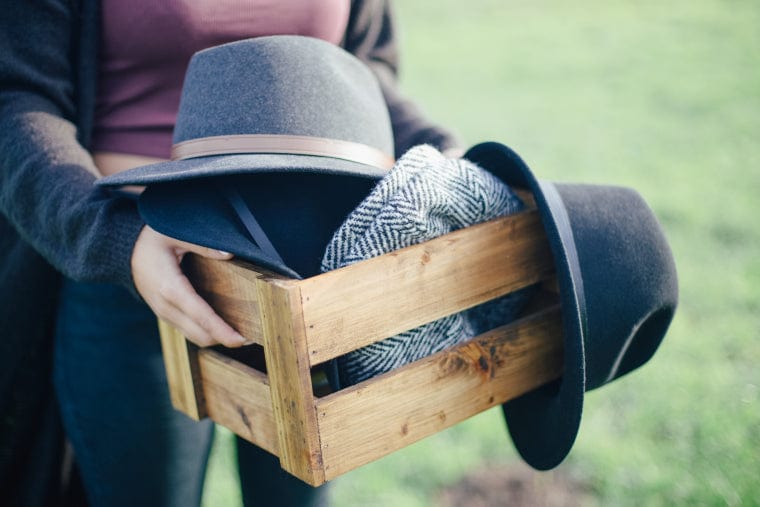
Fine materials also require the right touch. Delicate straws, handwoven Panamas, and premium felts should never be handled by the crown, in order to preserve their structure and natural tension.
The Angle: The Detail That Changes Everything
When style becomes attitude
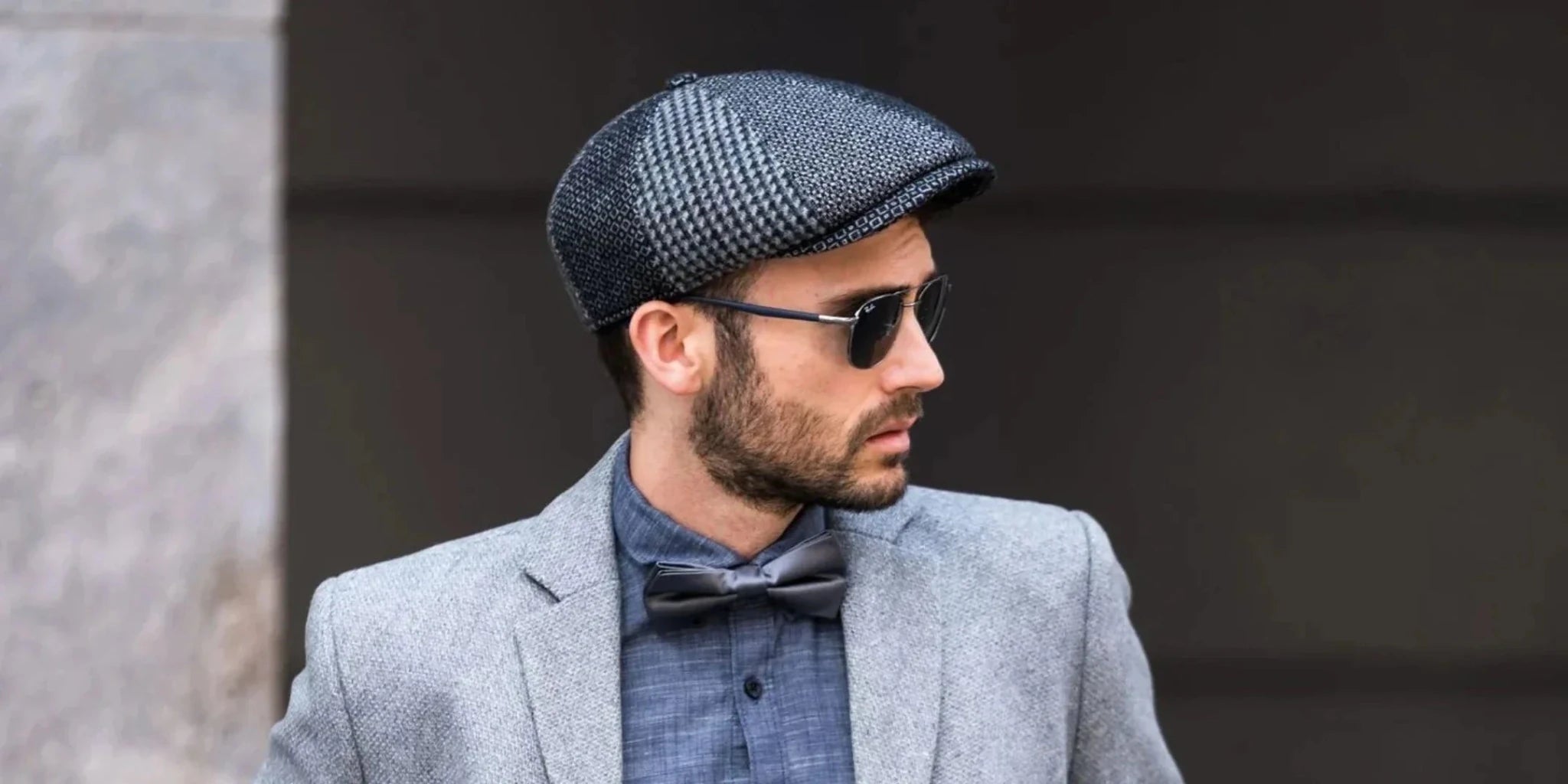
The way a hat is worn instantly changes its expression. Worn straight, it conveys classic, controlled elegance. Slightly tilted, it introduces a more personal tension — almost cinematic.
The great names of masculine style understood this perfectly. Frank Sinatra captured it best: “Angles are attitudes.” A simple tilt can transform an entire presence.
A few lines of attitude
- Straight and centered: classic balance, timeless elegance.
- Slightly tilted: discreet sophistication, controlled nonchalance.
- Strongly angled: bold expression, almost theatrical.
- Worn forward: mystery, depth, confident character.
- Worn back: freer, more relaxed ease.
- The Rakish Angle: the subtle art of elegant asymmetry.
The Hat and the Codes of Elegance
A tradition transformed into personal expression
For centuries, a hat immediately communicated status, profession, or social belonging. Every shape had its own language, every material its own territory.
As modern silhouettes evolved, many of those rules faded. Yet the hat kept its power: the ability to bring intention to an outfit. Today, it no longer follows strict protocol. It reveals personality.
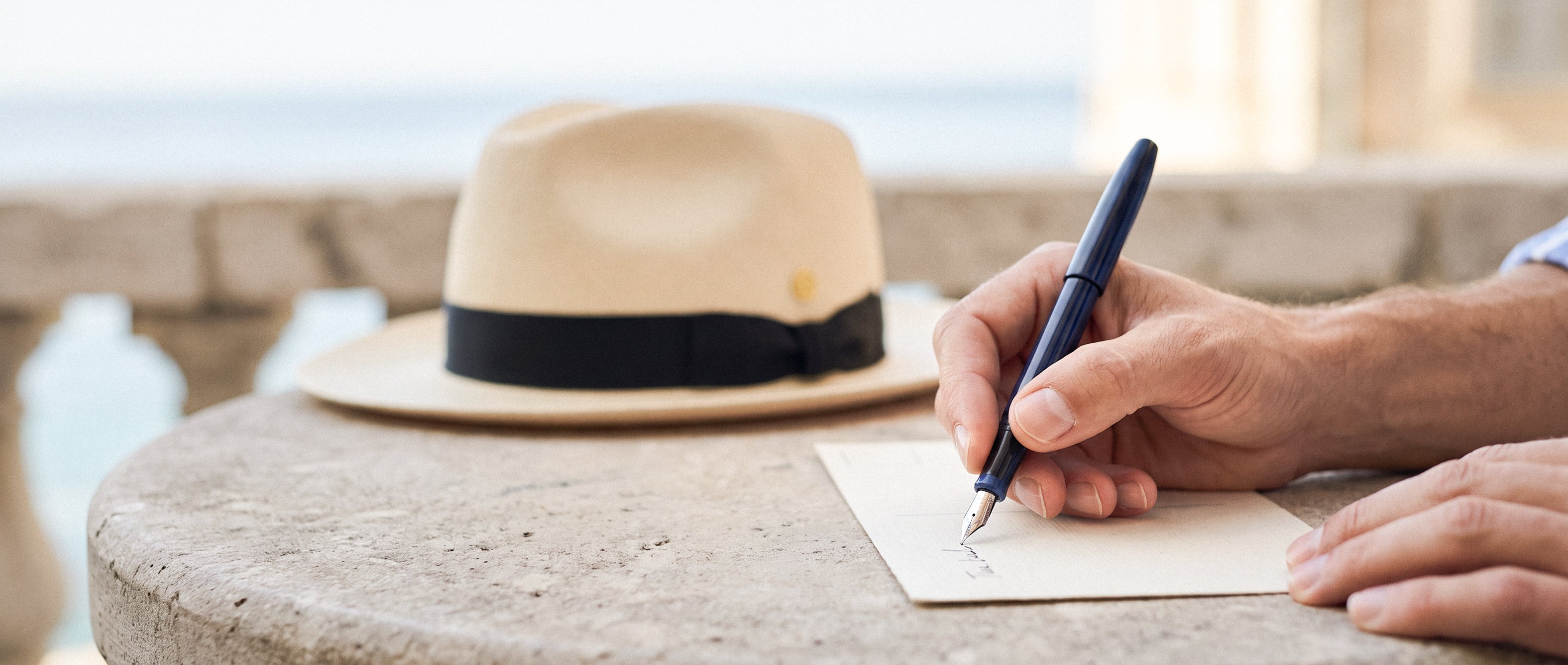
That freedom is precisely what makes it contemporary: a Fedora worn with minimalist tailoring, a Panama paired with a clean summer silhouette, or a structured felt hat balancing more modern lines.
Wearing a Hat Indoors
Elegance depends on context
Traditionally, men remove their hats indoors. This custom has roots in old gestures of peace and respect. For women, the codes have always been more flexible, especially in fashion and ceremonial settings.
Today, it is still a matter of context, balance, and subtlety. A hat should never disturb a space — it should belong to it naturally.
Contemporary etiquette
Restaurants & brasseries
A discreet hat may be kept on when it is fully part of the overall look.
Theaters, operas, and cinemas
Out of courtesy to other guests, it is generally removed.
Ceremonies and events
Traditions vary depending on culture, religion, and level of formality.
Weddings
The hat regains its full spectacular and ceremonial dimension.
The Hat Salute
The refinement of a detail
Now almost forgotten, the hat salute remains one of the most elegant gestures in the history of dress. A silent courtesy, discreet and infinitely more refined than an ostentatious sign.
- Doffing: removing the hat completely, a ceremonial and respectful gesture.
- Tipping: briefly lifting the brim of the hat as a sign of acknowledgment.
- Touching the brim: lightly touching the edge with a simple movement of the hand.
Certain uniforms still preserve these traditions today, where headwear remains a symbol of honor and function.
A Personal Signature
The moment a hat becomes essential
On the first day, there may be hesitation. Then comes habit. Finally, it becomes obvious. The hat stops being an accessory and becomes a natural part of the silhouette.
A well-chosen style accompanies the years, evolves with the person who wears it, and preserves its ability to transform a look. It brings structure, presence, and depth without ever trying too hard.
With a suit, it extends the precision of tailoring. With more contemporary lines, it creates a sophisticated contrast. In every case, it remains the final piece that does more than complete an outfit — it gives it intention.
Wear it naturally. True elegance is never performed. It is felt.